As an interior designer who specializes in kitchen remodels, the first major decision clients tend to make after picking cabinet color is which countertop will complement the cabinets they love.
Will you match the countertops to the cabinets? Or will the countertop make a statement in contrast with the cabinets?
This is what it all comes down to: white cabinets look entirely different paired with black granite, creamy quartz, and dramatic quartzite slabs. Just like dark cabinetry looks completely different against beige, light, ivory, and white quartz countertops.
The point here is that there are absolutely zero hard and fast rules about which countertops are lighter or darker. Your job as an expert is knowing how to pick the perfect combo, based on the current palette of existing colors, lighting conditions, countertop material, and desired ambiance.
Here is how I do this.
1. Match or Contrast?
Two major schools of thought exist, with each having its benefits.
Matching achieves continuity and harmony of colors through the use of similarly shaded combinations that complement one another. Light oak cabinets paired with a warm, creamy beige quartz countertop create a cohesive, unified environment where each element does not dominate.
Contrasting separates elements visually, using tones that create a noticeable difference. Examples include contrast between white cabinets and black granite or dark walnut cabinets and a white, ivory, or beige quartz countertop. These contrasts add definition to islands, enhancing the sense of space within a room.
Neither technique is inherently better or worse. You choose depending on the overall scheme, rather than any trends.
2. How Do Countertops Complement White Cabinets?
White cabinetry has high flexibility in countertop choices. This can be used effectively. For modern kitchens, consider choosing matching white quartz or light gray quartz. Both complement contemporary designs perfectly and enhance simplicity of white cabinets' aesthetics.
Warm whites or creamy shades can be used for softer tones of light quartz or quartzite countertops. Think about pairing natural wood floors, brass fixtures, and warm light fixtures with the cabinet color. Gold and brown veining provides even more warmth, creating the illusion of additional depth.
Another alternative includes contrast with a black granite countertop. Black against white results in a highly contrasting appearance that requires attention. To balance it out, ensure that the floor and backsplash blend smoothly into the countertop and cabinet colors.
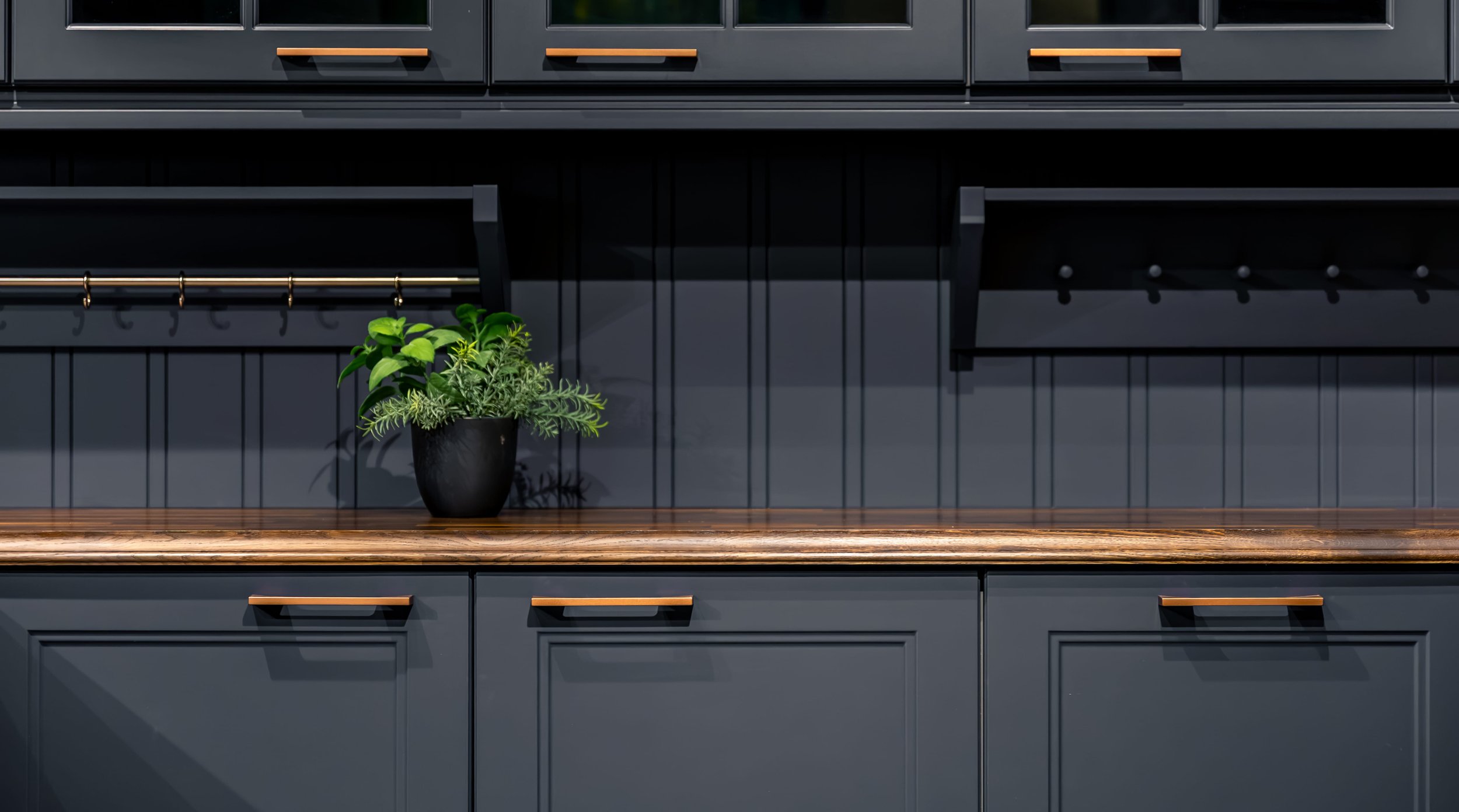
3. Which Countertop Materials Go Well with Dark Cabinets?
Navy cabinets, charcoal, and rich wood hues create beautiful contrast and elegance. However, pairing these cabinets with another darker countertop calls for thoughtful consideration.
Consider complementary light quartz or quartzite countertops. The contrast helps avoid making the room feel smaller, providing the impression of expansion and openness.
Beige and ivory options allow you to find a balance between warm shades and white tones. For example, honey-colored quartzite pairs extremely well with dark navy cabinets.
Alternatively, go for dark countertops. Black granite countertops, along with heavily-textured quartzite or other materials, provide sophistication and coordination. Lighting matters in this scenario since dim conditions may make the area too dark for comfort.
When using natural woods such as honey oak, walnut, or others with reddish undertones, be mindful of countertop selection. Sample material in store can sometimes look neutral despite possessing a slight hint of yellow, pink, or other colors that might clash with cabinets.
4. Undertones and Veining Matter
Many people focus solely on primary colors of both cabinet doors and countertop materials. But it is a mistake to overlook details.
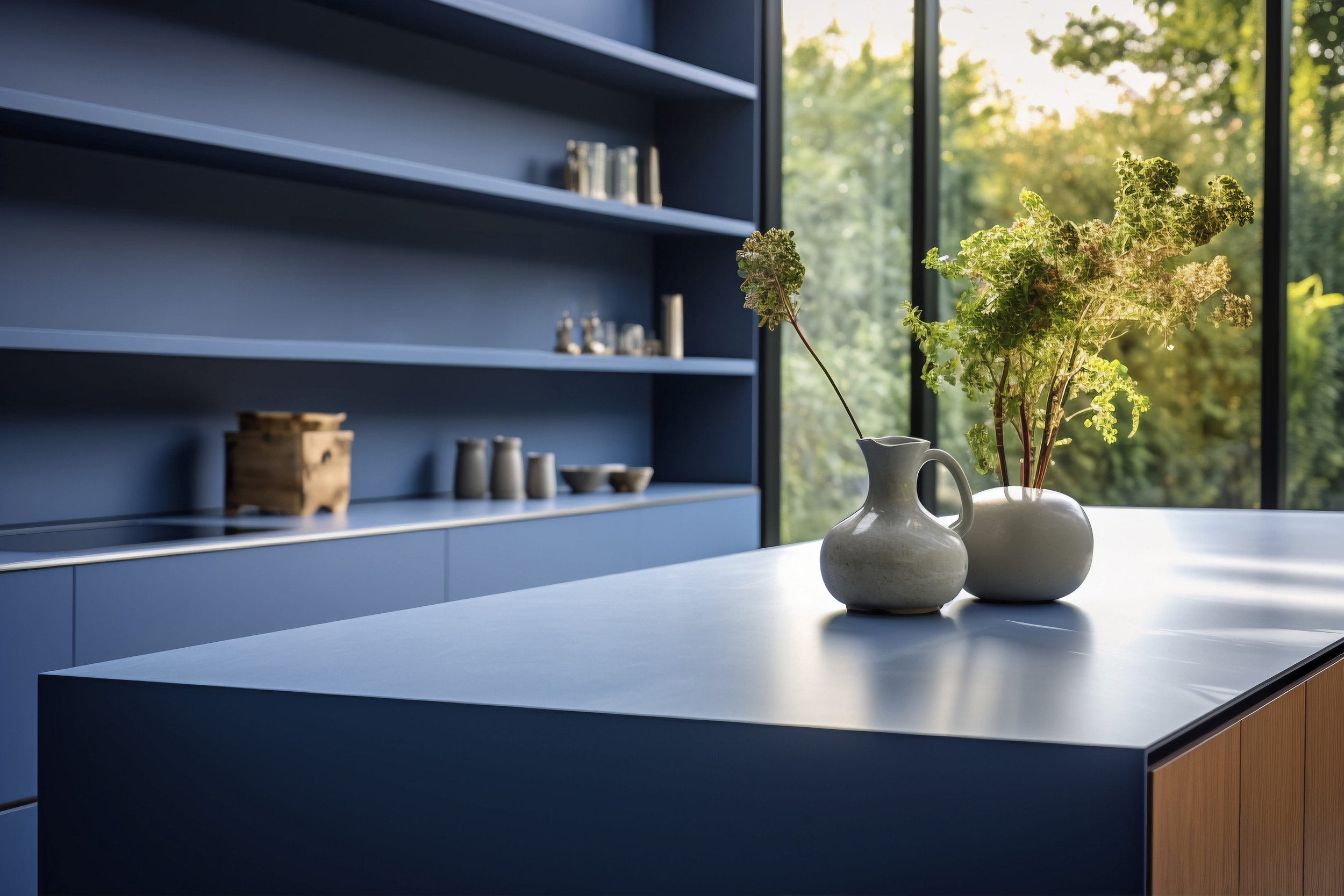
Countertop material described as 'white' comes with undertones of various colors, including blue, gray, beige, or golden. Wood cabinets come with undertones of pink, orange, and others.
Material properties are visible only when materials interact visually.
Veining is critical. Cabinet doors with heavy wood-grain textures may clash badly with a heavily-patterned granite countertop but could complement solid-colored quartz countertops beautifully. Similarly, cabinet doors without decorative patterns are the ideal backdrop for a dramatic patterned countertop surface.
Always test combinations side-by-side prior to final purchase decisions.
5. Does Your Island Deserve Another Countertop?
Kitchen islands can differ greatly from countertop materials installed throughout the perimeter area. Using a contrasting island allows it to stand out as the focal point of the kitchen. An example would be perimeter cabinets surrounded by white quartz countertops and island featuring a dramatic quartzite countertop.
Using the same material but with contrasting finishes creates contrast, while mixing material types can produce varied aesthetics. Before installing contrasting materials in the center island, ensure smooth transitions between countertop, cabinet doors, floors, backsplashes, and lighting systems.
More info on this topic can be found via East Coast Surfaces' article on whether to match countertop and backsplash materials.
6. How to Make the Right Choice Before Purchase?
Prior to buying any countertop material, consider doing some basic homework:
Define existing elements with unchangeable finish: Pick out the cabinets that won't change, flooring, wallpaint, hardware.
Establish general directions: Match cabinet doors, contrast cabinets, or strike a compromise?
Physical samples matter: Look beyond pictures online.
Consider lighting impact on colors: Light exposure affects perception significantly.
Material differences: Natural stones, quartz, marble, and others vary significantly in pattern consistency,ease of care, performance.
Examine full slabs/panels: Especially in the case of natural stones where pattern variance affects visualperception drastically.
Find a Harmonious Combination That Fits Your Whole Kitchen
There is an important distinction you need to make.
Countertops should not be picked simply because they match cabinets because 'it looks safe.' Similarly, contrast cannot be achieved randomly just because it looks great online.
Combination between cabinet doors and countertop materials should result in visual balance. The selected materials complement lighting, existing finishes, and overall design aesthetic. Whatever material you ultimately choose, white quartz, light quartz, contrast granite, etc., your choice needs to align with the entire kitchen.
East Coast Surfaces allows clients to visit our warehouse and view countertop slabs. Actual samples of real stone are worth much more than pictures online, allowing you to choose harmonious combinations based on personal preference.