The Science Behind Countertop Durability
Introduction: “Durable” Does Not Mean the Same Thing for Every Countertop
Homeowners often ask a simple question: Which countertop material is the most durable? The problem is that durability is not one measurement. A countertop has to deal with scratches, impact, heat, moisture, stains, cleaning products and everyday wear. Different materials perform differently against each of those challenges. Granite may be an excellent choice for a high-use kitchen because of its hardness and heat resistance. Quartz is popular because it is non-porous and low maintenance. Quartzite combines natural beauty with strong durability. Marble offers unmatched character but requires a different attitude toward wear. Soapstone is softer but highly heat resistant and develops patina. Dekton and porcelain bring another set of performance characteristics. Understanding the science behind these differences makes the buying decision much easier. Instead of asking which surface is “best,” ask which surface is best for the way you live.
1. Hardness: Resistance to Scratches
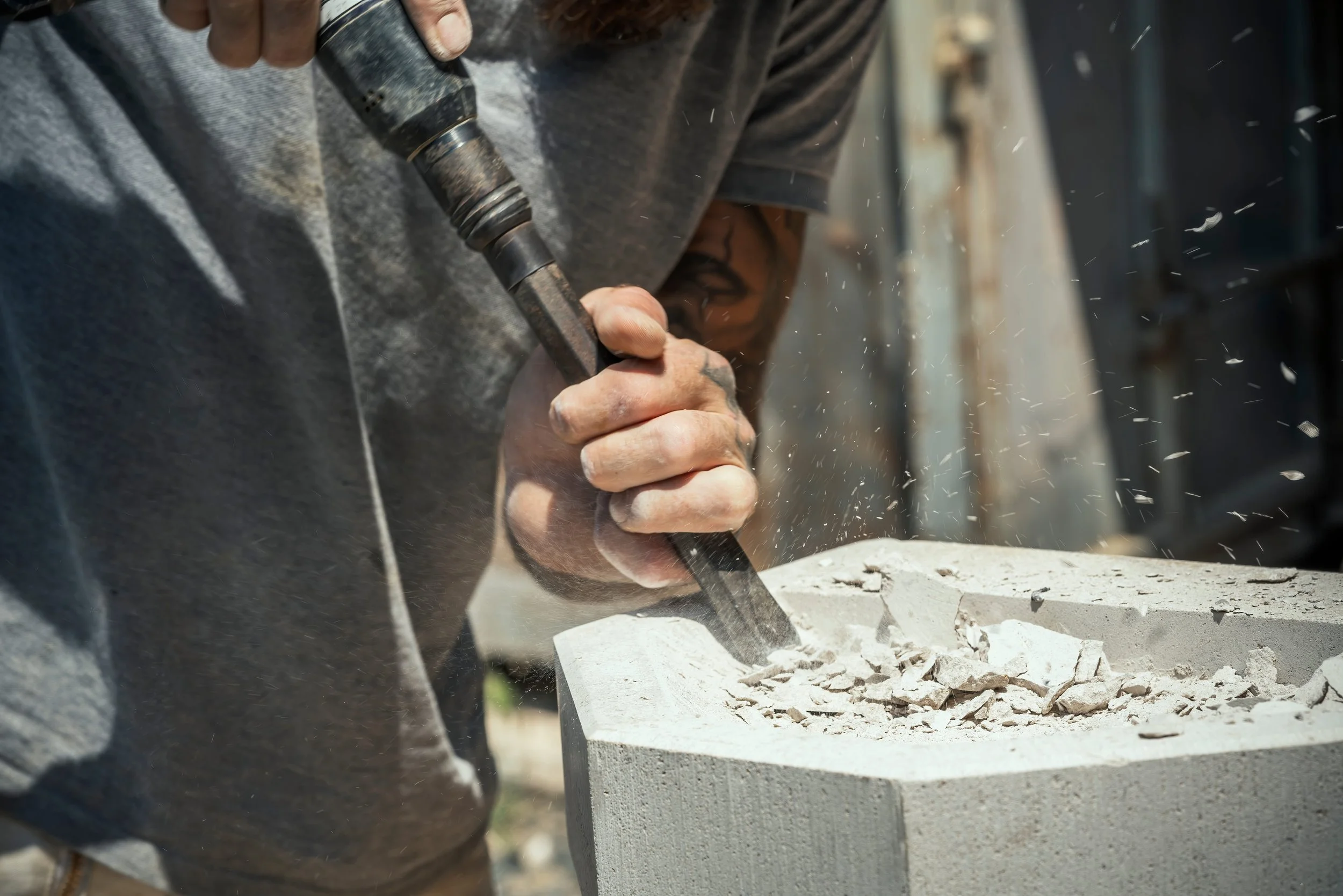
Hardness is one of the first concepts to understand. A harder material generally resists scratching better than a softer one, but hardness does not tell you everything about countertop performance. Granite and quartzite are hard natural stones. Marble is significantly softer and can scratch more easily. Soapstone is softer still, which means marks can occur during normal use. Engineered quartz is also highly scratch resistant in everyday kitchen applications. Why does this matter? Think about your actual habits. Do you prepare food directly on the countertop? Do you move heavy cookware around? Are there children using the island? If scratches will bother you, hardness becomes a more important factor in your decision. But remember: even a hard material is not indestructible. A sharp impact at a corner can chip a countertop even when the middle of the surface is extremely scratch resistant.
2. Porosity: How Easily Can Liquids Penetrate?
Porosity is another major factor. A porous surface has microscopic spaces through which liquids can potentially penetrate. In a kitchen, that can mean exposure to coffee, wine, oil, tomato sauce and other staining substances. Many natural stones can benefit from sealing, although the exact maintenance requirement depends on the material and the particular slab. Granite and quartzite can have different levels of absorption, so it is better to follow the fabricator's recommendations than to assume every stone needs the same schedule. Engineered quartz is non-porous because of how it is manufactured. East Coast Surfaces describes quartz as an engineered surface that becomes non-porous during production, which is one reason homeowners choose it for low-maintenance kitchens. Porosity does not determine whether a material is good or bad. It determines part of the maintenance conversation.
3. Heat Resistance: Why Material Composition Matters
Heat is one area where homeowners should pay close attention to the difference between natural and engineered surfaces. Granite, quartzite and soapstone are generally very tolerant of heat. Quartz, however, contains resin as part of its engineered composition, so manufacturers commonly recommend protecting it from very hot cookware. East Coast Surfaces' quartz guidance specifically advises homeowners to avoid temperatures over 300°F and to use appropriate protection. That does not make quartz a poor kitchen material. It simply means that its excellent stain resistance and low maintenance come with different heat considerations. Dekton and porcelain are another category. Their composition and manufacturing processes give them strong heat and temperature resistance, which can make them particularly interesting for applications where heat or outdoor exposure is important.
4. Impact Resistance and the Importance of the Edge
A countertop does not experience stress evenly. The center of a slab is different from a narrow edge or unsupported overhang. Corners can be particularly vulnerable because an impact is concentrated into a small area. That is why edge profile matters. A small eased edge removes some of the sharpness of a corner. A more substantial mitered edge can create a dramatic architectural effect, but it requires precise fabrication and careful handling. Overhangs also need to be designed appropriately. If an island is intended to function as seating, the fabricator and contractor should determine whether additional support is needed.
Countertops should not be treated as structural beams simply because the material itself is strong.
5. Chemical Resistance and Everyday Cleaning
Durability also involves what happens when cleaning products and food acids come into contact with the surface. Marble is particularly sensitive to acidic substances such as lemon juice and vinegar because they can etch the surface. The result may look like a dull spot rather than a conventional stain. Quartz is generally easier for homeowners who want straightforward cleaning, but manufacturer care instructions still matter. Natural stone should generally be cleaned with products appropriate for the specific material, and abrasive cleaners should be avoided unless the manufacturer or fabricator says otherwise. A durable countertop is one you can maintain correctly without turning everyday cleaning into a project.
6. Durability by Material
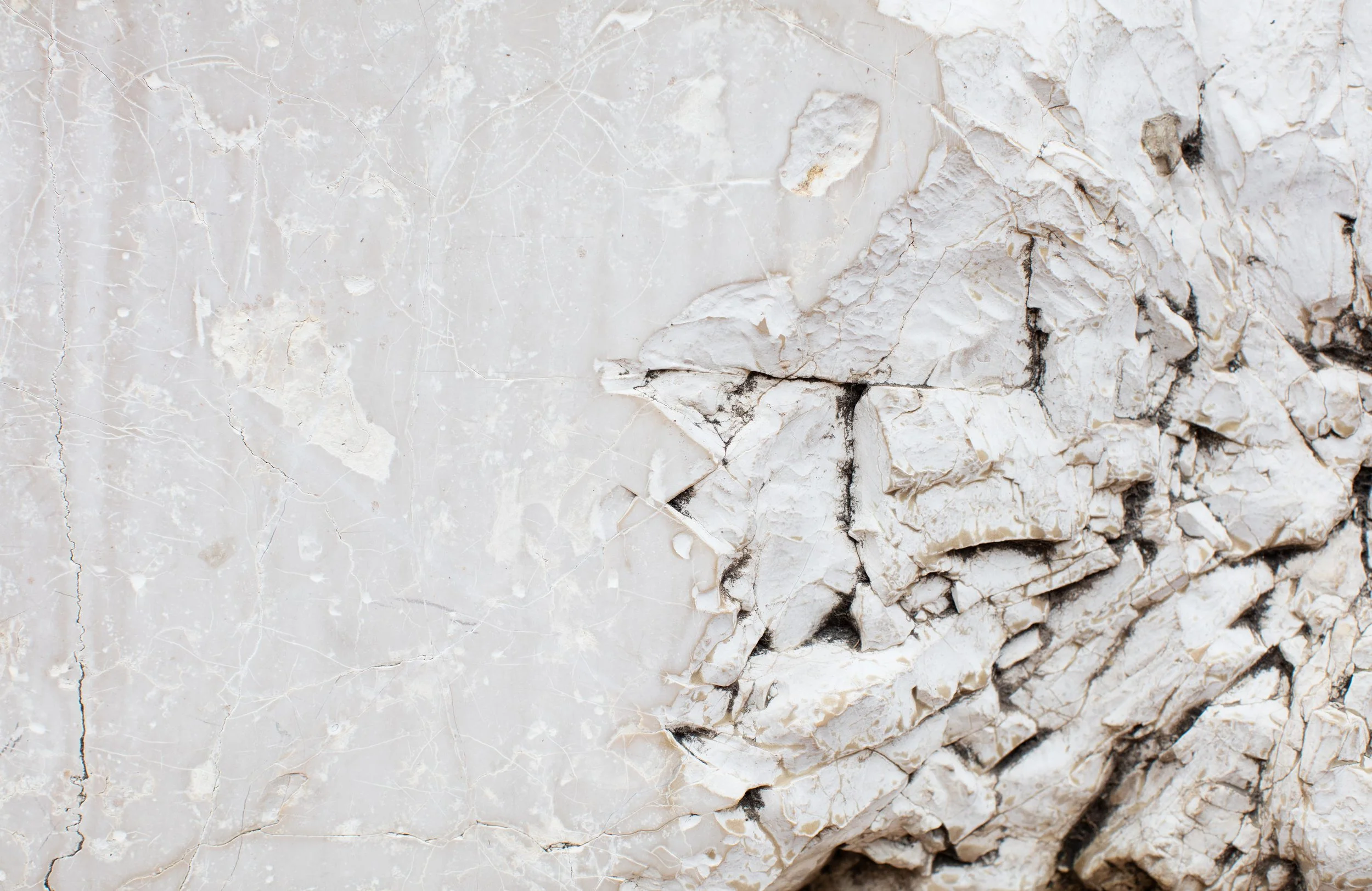
Quartz: Excellent everyday stain resistance, non-porous and low maintenance. Heat protection is important because of its resin content. East Coast Surfaces offers a broad range of quartz options in Rhode Island.
Granite: Strong natural stone with good heat and scratch resistance. Maintenance and sealing depend on the specific granite.
Quartzite: A hard, natural stone known for durability and dramatic variation. The exact slab should be evaluated because natural stones differ.
Marble: Softer and more reactive to acids, but exceptionally beautiful. It works best for homeowners who accept etching and patina as part of the material's character.
Soapstone: Softer and easier to scratch, but dense and heat resistant. Its patina can make wear feel intentional rather than accidental.
Dekton and porcelain: Highly resistant to heat, stains and many forms of wear. Fabrication and edge handling are important because harder, more brittle surfaces require experienced fabrication.
7. Durability Should Match the Room
A countertop in a busy family kitchen has a different job from a bathroom vanity or a decorative bar. Before choosing material, list the stresses your surface will actually face. If you cook heavily and use high heat, heat resistance may matter more. If you want minimal maintenance, non-porosity may be your priority. If you love natural stone and accept change over time, marble or soapstone may be completely appropriate. If the project includes an outdoor kitchen, UV and weather resistance become much more important. This is also where professional advice helps. A good fabricator should not simply recommend the material with the highest price. The material should fit the application.
8. Installation Is Part of Durability
Even an excellent material can perform poorly if it is fabricated or installed incorrectly. Accurate templating, proper cabinet support, appropriate overhangs, carefully executed cutouts and well-planned seams all affect the finished countertop. East Coast Surfaces has its own in-house installation team and offers custom fabrication for projects ranging from individual bathroom vanities to complete homes and outdoor kitchens. The company's existing installation guidance also emphasizes accurate measurement, proper support and responsible handling. In other words, material durability and installation quality are connected. A strong slab still needs to become a properly supported countertop.
Conclusion: The Right Countertop Is Durable for Your Lifestyle
There is no single countertop material that wins every durability test. Quartz excels at low maintenance and stain resistance. Granite and quartzite offer strong natural-stone performance. Marble brings beauty with a greater tolerance for wear. Soapstone offers heat resistance and patina. Dekton and porcelain provide impressive performance for demanding applications. The smart decision is to match the material to the way the room will actually be used. When you do that, “durability” becomes more than a marketing claim—it becomes a countertop that continues to work for you years after installation. East Coast Surfaces helps homeowners compare these trade-offs across its selection of quartz, granite, quartzite, marble, soapstone, Dekton and porcelain. The goal is not to push one material, but to help you choose a surface whose performance fits your home.
Explore East Coast Surfaces for countertop materials, custom fabrication and installation in Rhode Island.