Natural Stone vs Engineered Stone: Which One Fits Your Lifestyle Better?
It's one of the most common questions in any countertop consultation, and it almost always comes down to the same fundamental tension: the beauty and authenticity of natural stone versus the consistency and practicality of engineered stone. Both materials have genuine, compelling strengths. Both have real limitations. And the right answer is never universal — it depends on who you are, how you cook, how you clean, how you value aesthetics relative to convenience, and what kind of relationship you want to have with your countertop over the next ten or twenty years.
What makes this decision genuinely difficult is that the marketing around both material categories tends toward the promotional rather than the honest. Natural stone is presented as timeless and irreplaceable; engineered stone is presented as the modern, superior alternative. The reality, as with most things, is considerably more nuanced — and considerably more interesting.
Here is a complete, lifestyle-focused comparison of natural stone and engineered stone, covering every dimension that actually matters in daily kitchen life. The goal is to give you the information you need to make the decision that's right for your home — not the one that's right for a showroom brochure. Browse East Coast Surfaces' full range of both categories as you read.
What Natural Stone Actually Is — and What That Means for Your Kitchen
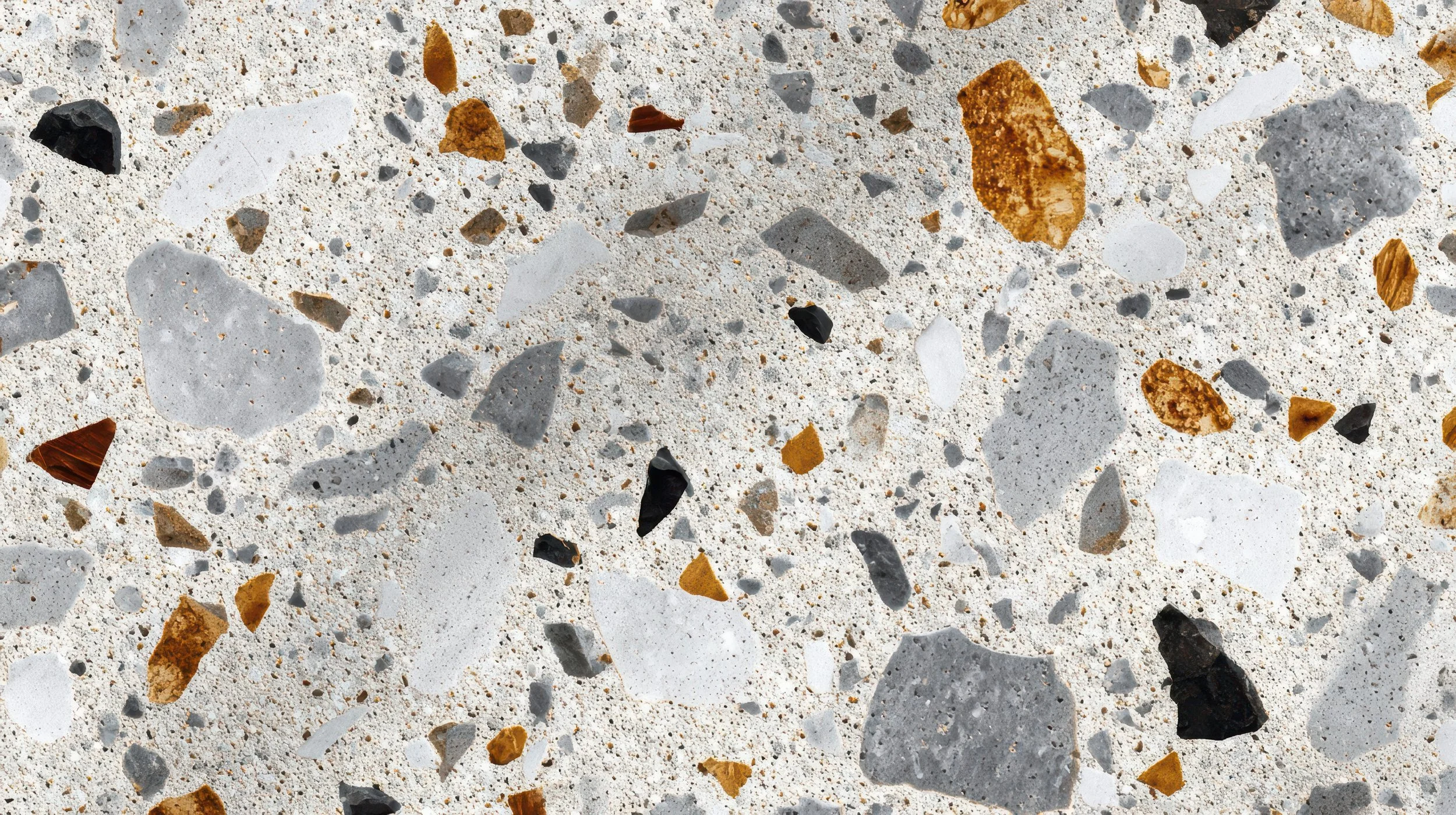
Natural stone countertops — granite, marble, quartzite, soapstone — are cut directly from geological formations that took millions of years to form under conditions of heat, pressure, and mineral chemistry that cannot be replicated artificially. Each slab is genuinely unique: the specific pattern of veining, the distribution of mineral color, the depth and character of the surface are the product of forces that operated over geological time scales and will never produce an identical result.
This uniqueness is simultaneously natural stone's greatest strength and the source of its most significant practical challenges. You cannot order a specific slab from a catalog and expect it to look exactly like the photograph. You cannot purchase a replacement slab that matches your existing installation precisely if a section needs to be replaced years later. What you see is what you get — one specific piece of the earth, with all its variation, character, and inherent geological reality.
Granite is the most durable natural stone countertop option — harder than steel, highly resistant to scratching, and requiring only periodic sealing to maintain its stain resistance. Quartzite shares granite's hardness while offering the dramatic, marble-like veining patterns that many homeowners find irresistible. Marble is the most visually exquisite and the most demanding in terms of care. Each material has a distinct personality and a distinct set of demands.
What Engineered Stone Actually Is — and What It Was Designed to Solve
Engineered stone — most commonly sold under the category of quartz countertops — is a manufactured product composed of approximately 90 to 95 percent natural quartz crystals (one of the hardest minerals on earth) bound together with polymer resins, pigments, and other additives. The mixture is compressed under high pressure and cured to produce a dense, consistent slab that is non-porous, dimensionally predictable, and available in a virtually unlimited range of colors and patterns.
Engineered stone was developed specifically to address the practical limitations of natural stone in kitchen environments — primarily porosity (and the resulting need for sealing), variability (and the resulting unpredictability in ordering), and the vulnerability of materials like marble to acids and staining. In achieving those goals, engineered stone became an extraordinary commercial success — the most popular countertop material in the United States by installed volume.
The best engineered quartz products — East Coast Surfaces carries a curated selection of premium quartz options — have reached a level of visual sophistication that rivals the appearance of natural stone in many applications. The patterns are complex, the colors are rich, and the consistency of the manufacturing process means that what you order is reliably what you receive.
The Head-to-Head Comparison: Five Dimensions That Matter Most
| Dimension | Natural Stone | Engineered Quartz |
|---|---|---|
| Visual uniqueness | Every slab one-of-a-kind; unrepeatable depth and character | Consistent, predictable; sophisticated patterns but manufactured |
| Stain resistance | Varies by stone; requires periodic sealing | Non-porous; no sealing required; excellent stain resistance |
| Scratch resistance | Granite/quartzite excellent; marble/soapstone vulnerable | Very good across all products |
| Heat resistance | Natural stone handles heat very well | Resins vulnerable to prolonged heat; trivets recommended |
| Maintenance | Annual sealing (most stones); marble more demanding | Near zero — wipe and go |
| Longevity | Essentially indefinite with proper care | Excellent; some resin yellowing possible over decades in UV |
| Resale value | Premium natural stone adds strong resale value | Good resale value; less premium than rare natural stone |
| Color/pattern range | Limited to what nature produces; genuine variety within that | Virtually unlimited — any color, any pattern |
The Lifestyle Question: What Kind of Relationship Do You Want with Your Kitchen?
Beyond the technical comparison, the most useful question to ask is about your relationship with your kitchen and how you want that relationship to feel.
You are likely a natural stone person if:
The idea of owning a piece of the earth — something genuinely unique that no other kitchen inthe world has — matters to you
You appreciate materials that age, develop character, and deepen in beauty over time ratherthan remaining static
You cook seriously and are comfortable with a material that asks something of you in return forwhat it offers
You're renovating an older home where natural stone carries historical and architecturalauthenticity
You plan to live in the home long-term and want a surface that appreciates in perceived valueover time
You are likely an engineered quartz person if:
You have children or a heavily used kitchen where predictable, low-maintenance performance isyour top priority
You want a specific color or pattern that doesn't exist in natural stone — a bright white with novariation, a concrete grey, a specific shade of green
The idea of periodic sealing feels like an obligation you'd rather not have
You frequently place warm items on the counter and don't want to worry about trivets
You're working with a tight timeline and need reliable, consistent material delivery
"Neither choice is wrong. The right material is the one that fits the way you actually live — not the way you imagine living in a showroom."
The Hybrid Approach: When Both Materials Belong in One Kitchen
Some of the most thoughtfully designed kitchens use both natural and engineered stone strategically — natural stone as the primary countertop surface for its visual impact and character, engineered quartz on the island (where heavy use and children demand maximum durability) or in the laundry room or butler's pantry (where a consistent, stain-proof surface is more practical than a beautiful but demanding natural material).
This hybrid approach lets you have the authentic beauty of marble or quartzite in the parts of the kitchen where it will be most seen and most appreciated, while the areas of heaviest practical use benefit from engineered stone's extraordinary practicality.
East Coast Surfaces works with clients across both material categories and often helps homeowners develop exactly this kind of layered approach — matching material to use, aesthetic, and budget across different areas of the same kitchen. See what's available in the warehouse, check the 2026 Trend Report for current design directions in both categories, and get in touch to talk through your specific project.