What Is a Fissure in Natural Stone? And When Should You Be Concerned?
Introduction: That Line in Your Countertop May Not Be a Crack
Few things make a homeowner nervous faster than seeing a line across a new natural stone countertop. The immediate reaction is understandable: “Did the stone crack?” But not every line is a crack, and natural stone contains characteristics that are very different from what you would see in an engineered, uniform surface. Granite, quartzite, marble and soapstone are geological materials. Their colors, mineral patterns, textures and internal characteristics developed naturally. Some slabs contain veins that are purely visual. Others contain fissures or small voids. Some areas may be filled during fabrication. A true crack is a different issue and may require professional evaluation. Understanding the difference is important because it changes what you should expect from the material and what questions you should ask before and after installation.
1. What Is a Fissure?
A fissure is a natural feature in stone that can appear as a fine line or opening. Depending on the material, finish and lighting, a fissure may be primarily visual or may be noticeable when you run your hand over it. The important word is natural. A fissure can form as part of the geological history of the stone and does not automatically mean that the slab has been damaged during fabrication or installation. That does not mean every fissure should be ignored. Its location, size, appearance and stability matter. A professional fabricator should be able to examine the feature and explain what it is and how it relates to the planned application.
2. Fissure vs. Vein vs. Crack vs. Pit
These terms are often used interchangeably by homeowners, but they describe different things. A vein is generally a mineral feature that forms part of the visual pattern of the stone. It may be dramatic, subtle, straight or highly irregular. A fissure is a natural feature that can appear as a fine opening or line. It may have tactile characteristics depending on the stone. A crack generally describes a fracture or break in the material. A crack can be the result of impact, stress or other damage and should be evaluated. A pit or void is a localized opening or cavity. Certain natural stones can contain these characteristics, and fabrication may involve filling them. If you are unsure what you are looking at, do not diagnose it from a photograph alone.
Ask a qualified fabricator to inspect the actual stone.
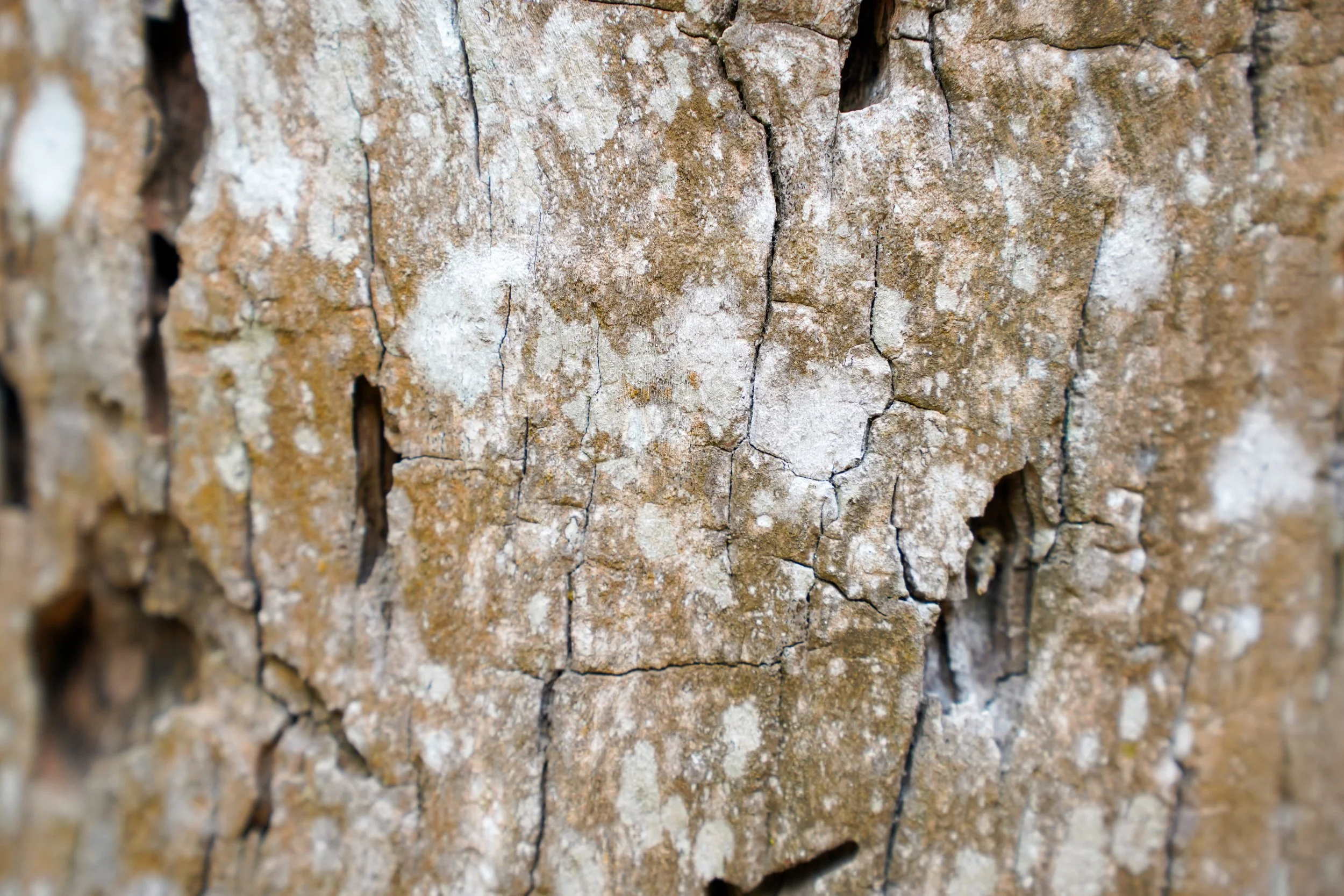
3. Why Natural Stone Contains These Features
Natural stone is created through geological processes, not manufactured to a perfectly repeatable specification. Granite, quartzite and marble have different mineral compositions and formation histories. That means each slab can have its own appearance and internal characteristics. East Coast Surfaces' countertop information describes natural materials such as granite, quartzite and marble in geological terms and notes the variation inherent in these materials. Its customer policy also explains that natural materials can contain fissures or cracks, pits, voids, dull spots, textural differences and thickness variations as characteristics of the material. That distinction is important when buying natural stone. You are purchasing a geological material whose variation is part of its character, not a printed image that repeats perfectly from one section to another.
4. When a Fissure Is Usually Acceptable
A natural fissure may be perfectly acceptable when it is stable, understood and consistent with the character of the slab. Some homeowners actually like these features because they reinforce the fact that the countertop is real natural stone. The key is expectation. If you selected a highly dramatic quartzite or marble, you should expect some geological variation. The question is whether the feature is appropriate for the intended application and whether the fabricator has considered it during layout. Before fabrication, ask the fabricator to point out characteristics that could remain visible or tactile after installation. Knowing what to expect removes much of the anxiety that can come from discovering a natural feature later.
5. When You Should Ask for a Professional Evaluation
A feature deserves closer attention if it appears to be changing, if two sides of the countertop do not remain aligned, if there is movement, if a piece has separated, or if a line is associated with a chip or impact. Location also matters. A feature close to a sink cutout, cooktop cutout, narrow section or unsupported overhang may deserve additional attention because those areas can experience different stresses. If you are concerned after installation, contact the fabricator or installer rather than attempting a repair yourself. They can determine whether the feature is natural, the result of fabrication, or something that requires remediation.
6. Can a Fissure Be Filled?
Natural openings can sometimes be filled as part of fabrication or repair. Filling can make the surface smoother and help prevent debris from collecting in an opening. Depending on the stone and finish, the repaired area may remain somewhat visible or tactile. A filled fissure should not be confused with making the natural characteristic disappear. The goal is to create an appropriate finished surface while respecting the nature of the stone. The same principle applies to pits and voids. Some are naturally filled during fabrication, while others may remain part of the stone's character depending on the material, location and desired finish.
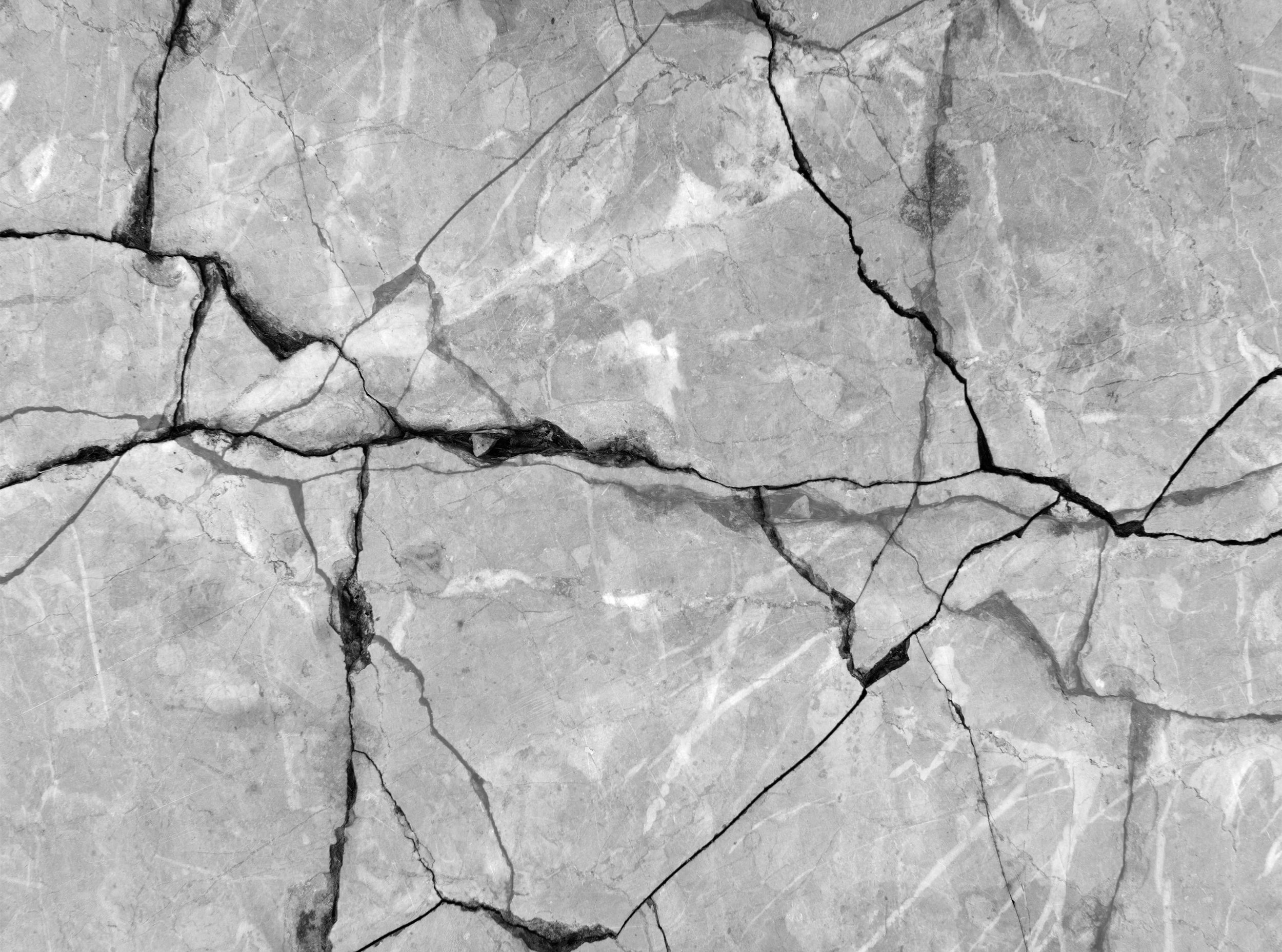
7. Finish and Lighting Can Change What You Notice
A polished stone reflects light strongly, which can make certain veins, fissures and repaired areas more obvious. Honed or leathered finishes can change the visual contrast and tactile experience. East Coast Surfaces' guide to countertop finishes explains how polished, honed and leathered surfaces alter the appearance of stone and why the finish should be considered as part of the design decision rather than as an afterthought. Lighting matters too. A line that seems subtle under showroom lighting may be more noticeable when direct sunlight hits the counter at a different angle. This is another reason full-size slab viewing is valuable.
8. Inspect the Slab Before Fabrication
The best time to ask questions is before the slab is cut. When viewing a natural stone, stand back and look at the overall pattern. Then inspect areas where you see lines, openings, pits or changes in texture. Ask: Is this a vein or fissure? Is it natural? Will it be filled? Will it remain visible? Where will it fall in the finished layout? Could it land at a sink cutout or seam? Does the selected finish change how it will look? East Coast Surfaces encourages customers to visit its showroom and view stone options in person. This is particularly useful for quartzite and other natural materials where the exact slab can vary significantly.
9. Natural Stone vs. Engineered Uniformity
One of the simplest ways to decide whether natural stone is right for you is to consider how you feel about variation. If you want a countertop that looks highly consistent from one section to another, engineered quartz may be more comfortable. If you want one-of-a-kind mineral movement and are willing to accept natural characteristics, granite, quartzite, marble or soapstone may be a better fit. Neither preference is wrong. It is simply important to match expectations with the material. Many countertop disputes happen because homeowners expect natural stone to behave like an engineered surface.
Conclusion: Know What You Are Buying
A fissure is not automatically a defect, and a visible line is not automatically a structural crack. The right approach is to identify the feature, understand whether it is natural, consider its location and ask how it will be treated during fabrication. For natural-stone buyers, transparency before fabrication is one of the best ways to avoid surprises. Seeing the actual slab, asking about natural characteristics and reviewing the proposed layout gives you much more confidence than choosing from a small sample. East Coast Surfaces works with granite, quartzite, marble, soapstone and engineered surfaces and provides custom fabrication and installation in Rhode Island. Its team can help homeowners understand what is natural to the material and what deserves closer attention—so the character you see in the slab becomes a feature you appreciate rather than a surprise you worry about.
Explore East Coast Surfaces for countertop materials, custom fabrication and installation in Rhode Island.