I Want a Beautiful Countertop But Low Maintenance — What Should I Choose?
Every homeowner wants the same thing — a countertop that looks like it belongs in an architectural magazine and requires almost nothing to keep it that way. The good news? That countertop exists. In fact, several options deliver exactly that combination of beauty and low maintenance, and the market for them has never been better.
If you've been putting off a countertop upgrade because you're worried about sealing, staining, or high-maintenance care routines, this guide is for you.
What Makes a Countertop "Low Maintenance"?
Before diving into materials, it's worth defining what low maintenance actually means in a kitchen or bathroom countertop context.
A truly low maintenance countertop surface should:
Require no periodic sealing or minimal upkeep beyond daily cleaning
Resist stains from common household liquids — coffee, wine, oil, and juice
Handle everyday scratches and impacts without showing significant wear
Clean up easily with soap, water, and a cloth — no special cleaners required
Maintain its appearance years after installation without professional treatment With that benchmark set, here are the best options available today.
Quartz: The Gold Standard in Low Maintenance Beauty
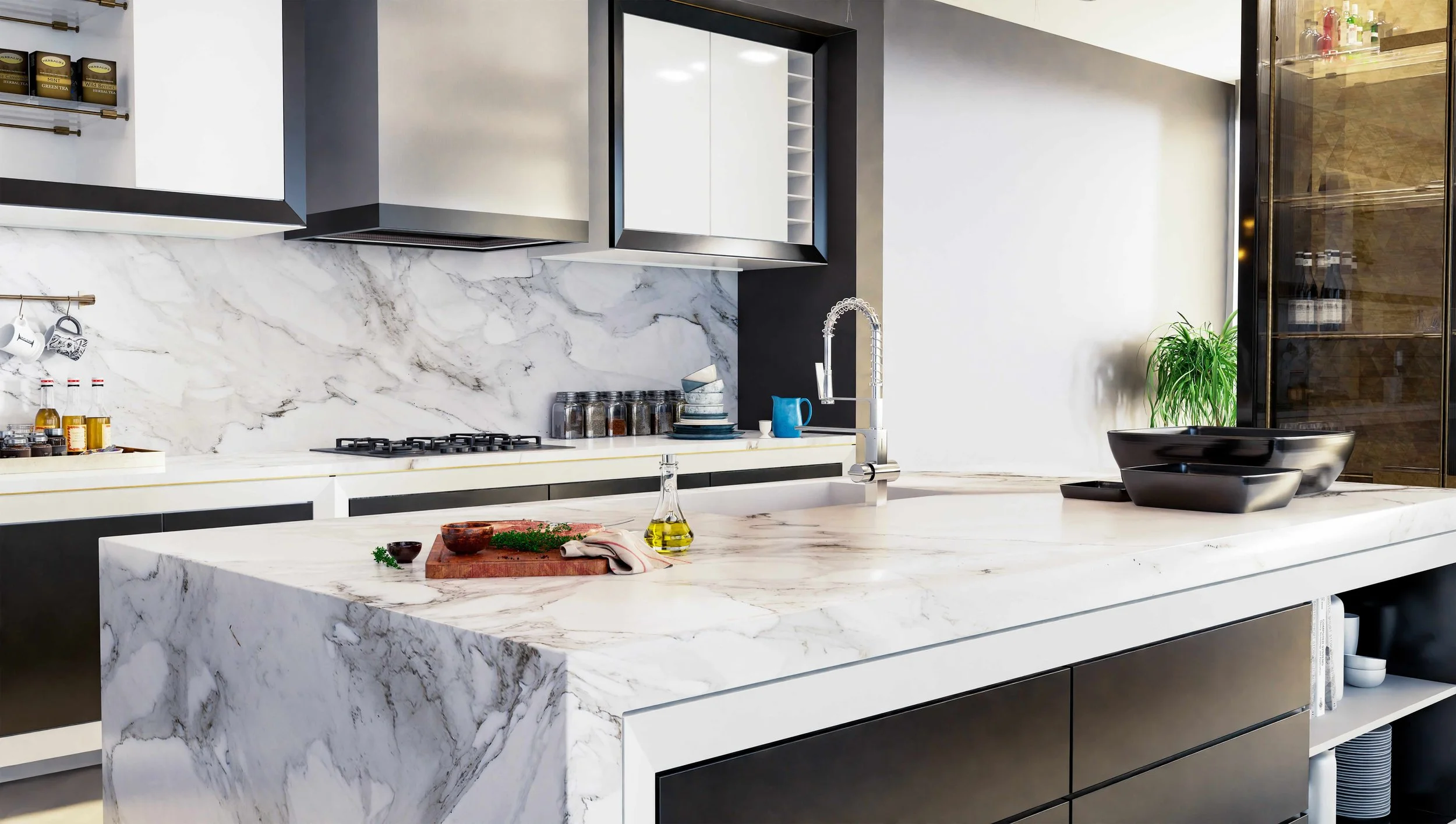
When homeowners ask for a beautiful countertop that practically takes care of itself, engineered quartz is almost always the answer — and for good reason.
Quartz countertops are manufactured from roughly 90 to 95 percent natural quartz crystals — one of the hardest minerals on earth — bound together with polymer resins and pigments. The result is a surface that is extraordinarily durable, completely non-porous, and visually stunning in hundreds of styles and colorways.
The non-porous nature of quartz is what makes it a maintenance dream. Because there are no microscopic pores for liquids to penetrate, quartz never needs sealing. Ever. Spill red wine, olive oil, or tomato sauce — wipe it up and it's gone. No staining, no absorption, no anxiety.
Quartz also resists bacteria and mold growth for the same reason, making it a hygienic choice for both kitchens and bathrooms.
Aesthetically, today's quartz designs are sophisticated and diverse. Whether you want the soft, dramatic veining of Calacatta marble, the deep movement of natural granite, or a clean, solid contemporary surface, quartz delivers it with perfect consistency across every slab — which is a genuine advantage for large kitchen installations.
Bottom line: If low maintenance is your top priority and you refuse to sacrifice beauty, quartz is your countertop.
Porcelain countertops: The High-Performance Newcomer
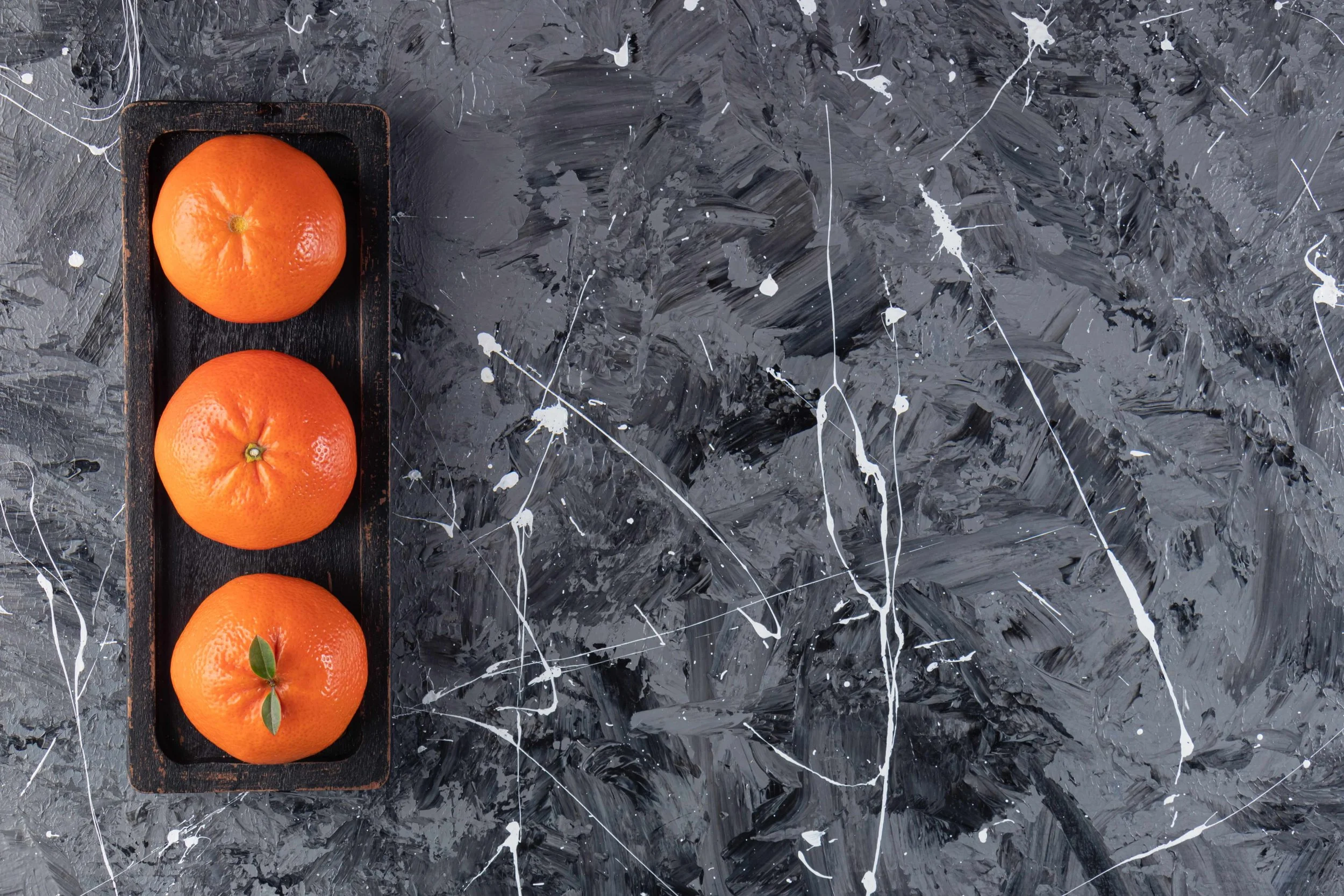
Porcelain countertops are gaining serious momentum in the design world — and busy homeowners are discovering why.
Manufactured from compressed, kiln-fired clay fired at extremely high temperatures, porcelain is one of the hardest countertop surfaces available. It is completely non-porous, requires zero sealing, and is resistant to scratches, stains, heat, and even UV fading — making it an excellent choice for kitchens with significant natural light exposure.
Porcelain countertops are produced in large format sizes that minimize seams, and they're available in designs that convincingly replicate natural marble, concrete, wood, and stone — often indistinguishably so at a glance.
For homeowners who want the look of natural stone without any of the maintenance commitments that come with it, porcelain is a compelling and increasingly popular choice.
Granite: Natural Beauty With Manageable Care
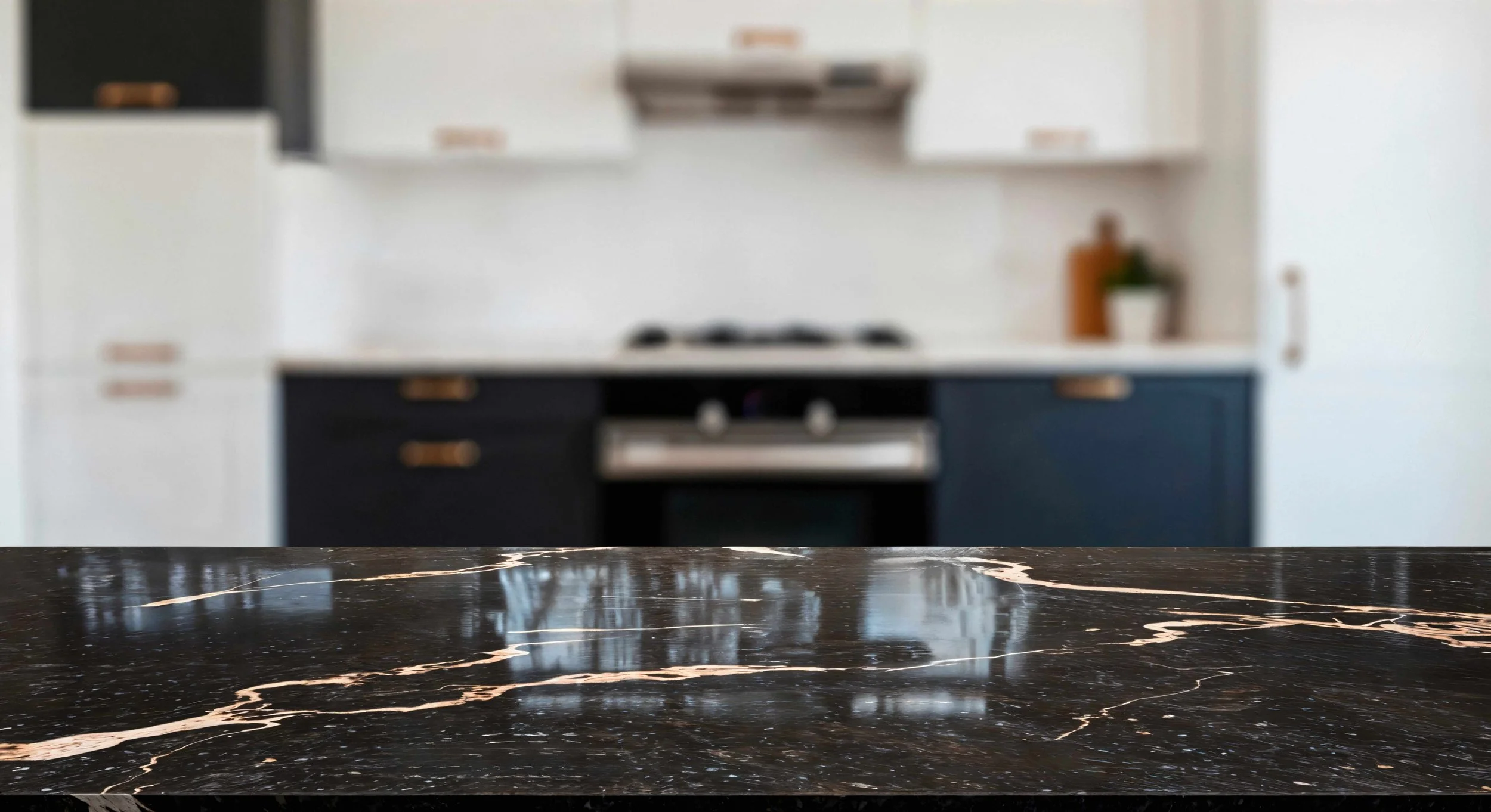
If natural stone is non-negotiable for you, granite offers the best balance of beauty and reasonable maintenance among natural stone options.
Granite is one of the hardest natural stones available, making it highly resistant to scratches and physical damage. It also handles direct heat exceptionally well — a hot pan directly from the stove won't damage a granite surface, which is a meaningful advantage over quartz.
The maintenance commitment with granite is periodic sealing — typically once a year or every couple of years depending on the stone's porosity and your usage. A quality granite sealer takes about thirty minutes to apply and provides reliable protection against staining and bacteria.
For homeowners who want the irreplaceable character of natural stone — the unique veining, the mineral variation, the one-of-a-kind quality that no engineered material can truly replicate — granite delivers all of that with a maintenance routine that is entirely manageable.
What to Avoid if Low Maintenance Is Your Priority
Two materials that consistently disappoint low-maintenance seekers:
Marble is undeniably beautiful, but it is soft, porous, and acid-sensitive. It etches from lemon juice, wine, and vinegar. It stains from oils and pigmented liquids. It scratches more easily than granite or quartz. Marble ages gracefully for homeowners who embrace its natural patina — but for those expecting pristine surfaces with minimal effort, it consistently leads to frustration.
Butcher block requires regular oiling, is vulnerable to moisture damage, and needs consistent care to prevent warping and bacterial growth. Beautiful in the right application, but genuinely high maintenance.
Conclusion
Here's a straightforward framework for your decision:
Want zero maintenance and maximum design flexibility? → Quartz
Want cutting-edge durability and a modern aesthetic? → Porcelain
Want real natural stone with manageable upkeep? → Granite
At East Coast Surfaces, we help homeowners find the perfect countertop that fits their lifestyle — not just their mood board. Beautiful and low maintenance isn't a compromise. It's exactly what the right stone delivers.
Come see our collection and find the surface that works as beautifully as it looks.